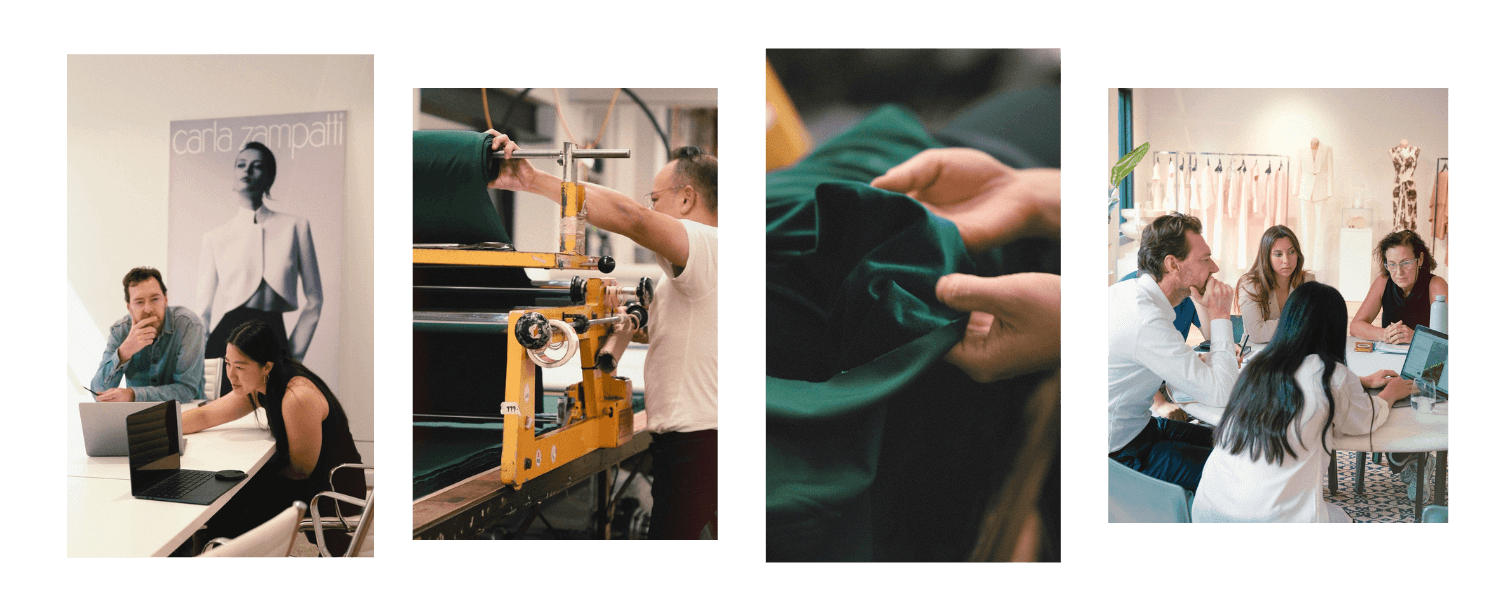
Carla Zampatti partnered with CO2 Lab to measure its carbon footprint for the first time, measuring the data behind local garment manufacturing, intentional production, and visibility into fabric and waste utilisation.
About the Carla Zampatti fashion house.
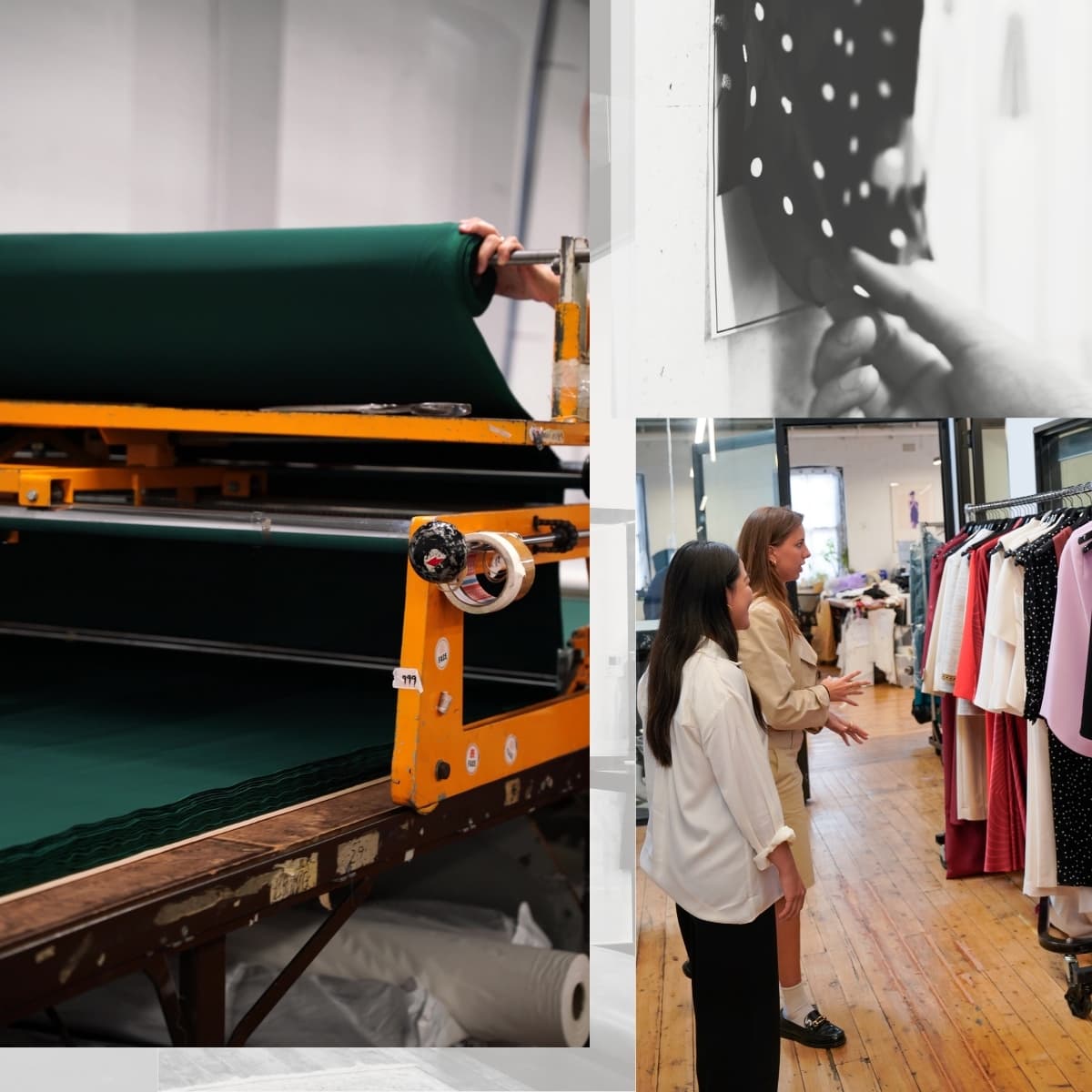
Carla Zampatti has been designing in Sydney since 1965. Sixty years on, the team still designs and manufactures locally in Australia, now in their Waterloo headquarters and manufacturing site.
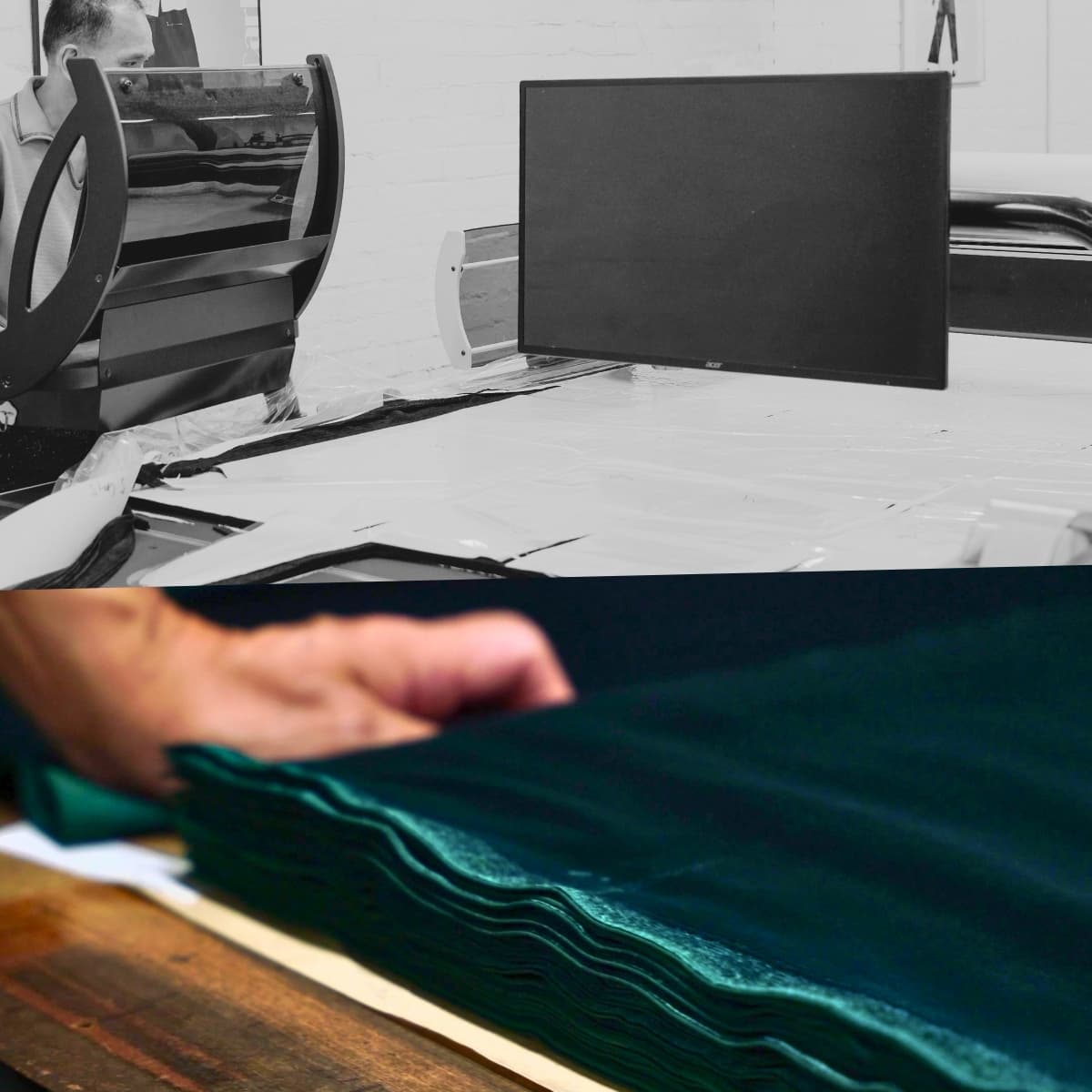
Patterns are templated by hand, printed for precision and laser cut to maximise fabric utilisation. Designs are elegant, timeless and crafted with longevity in mind. Some customers still wear pieces they bought more than fifteen years ago.

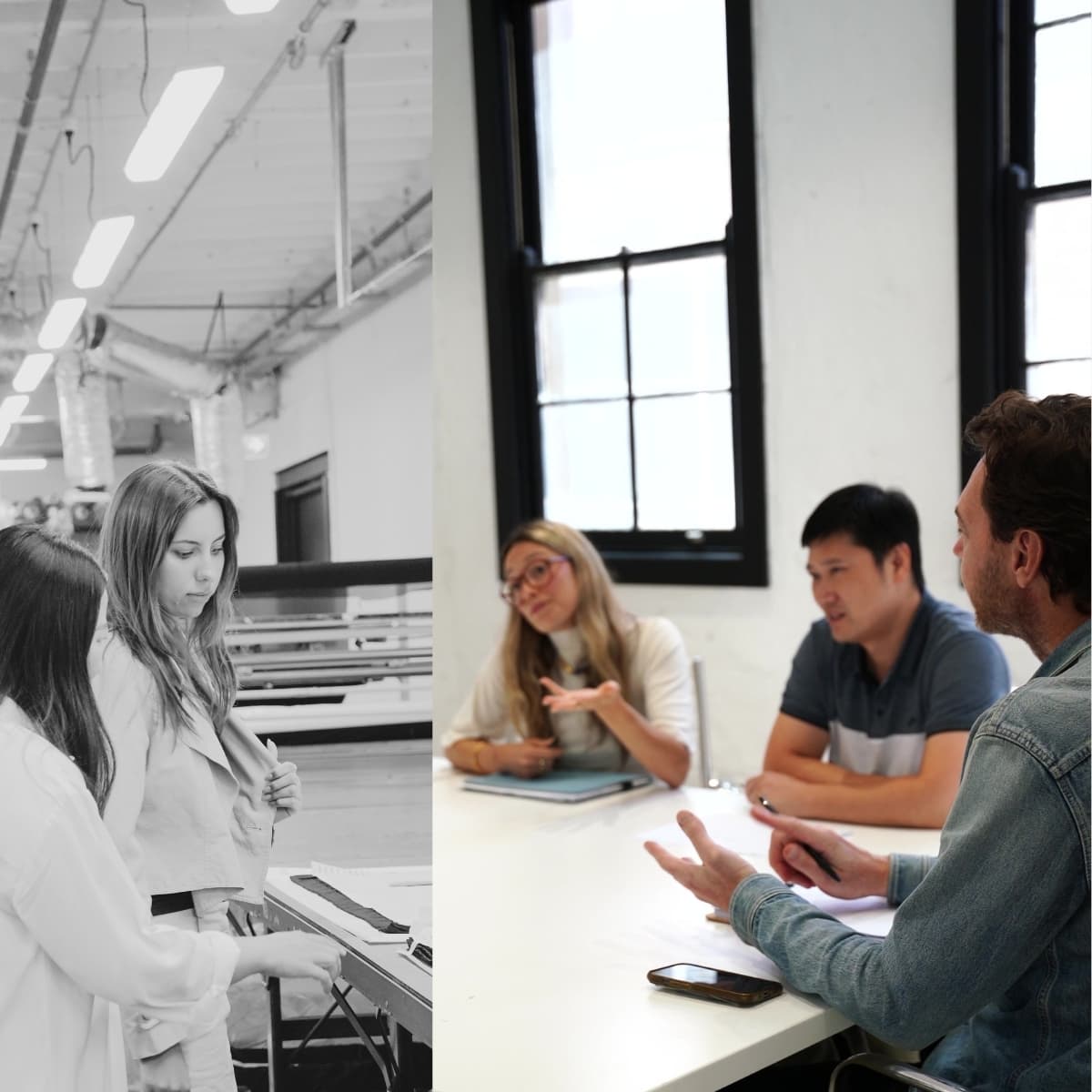
“On CO2 reporting, it’s a topic that’s been of interest, but we honestly didn’t know where to start. It’s an important project we’ve been thinking about for years.”
In 2026, the team partnered with CO2 Lab to measure their carbon footprint.
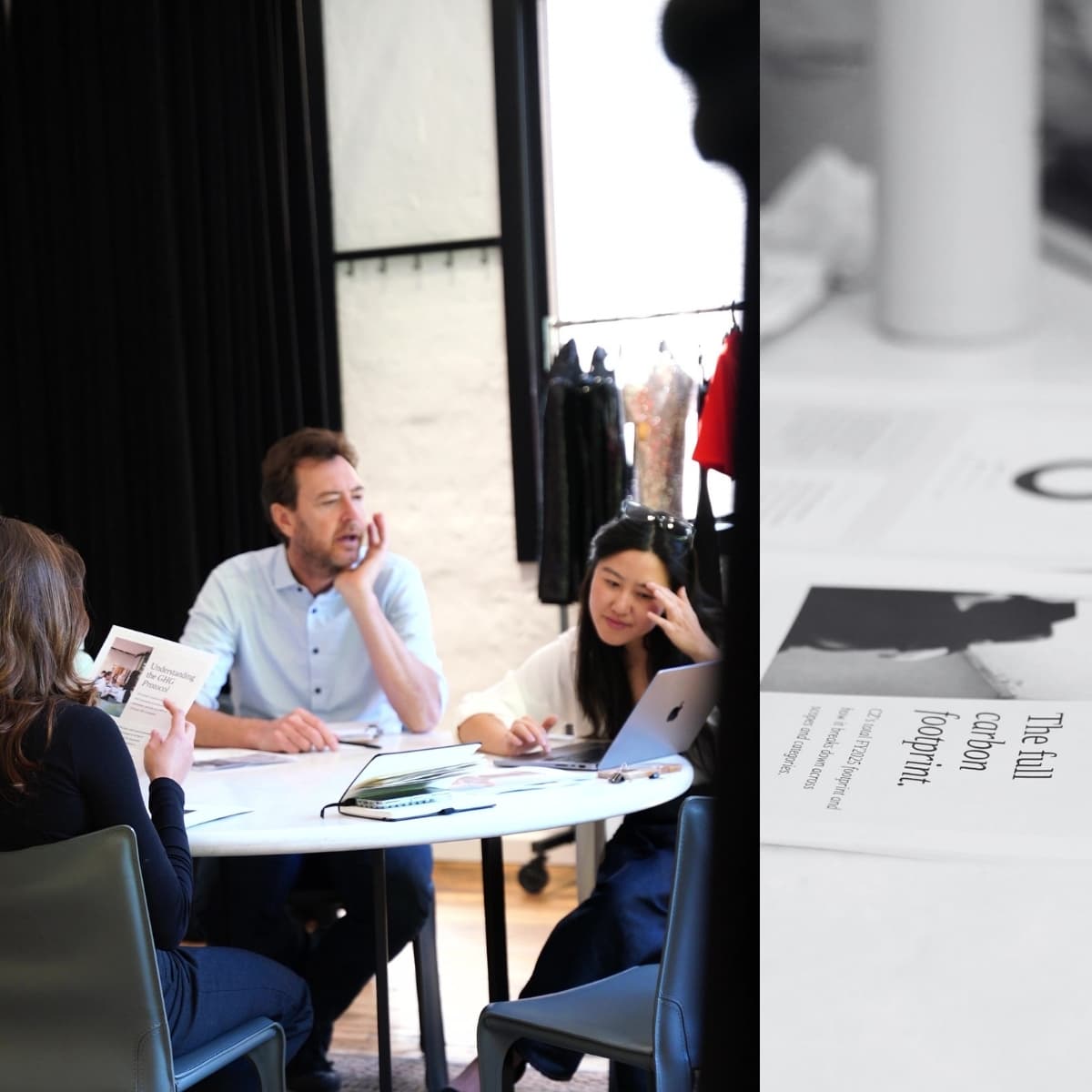
They had a capable team but no carbon accounting background. They wanted the data behind their operations, in language they could explain to their own team and Board.
Our working group brought together:
- Production
- Finance
- Design
- PR
- Admin
- CEO
Five weeks. The AI Sustainability Analyst handled the data work, the team set the direction.
With data and expertise provided by the working group, our AI Sustainability Analyst did the manual work, processing:
- Invoices
- General ledger
- Purchase Orders
- Material Composition
- Manufacturing Reports
- Marker reports
Then the AI Sustainability Analyst:
- Connected data from different sources
- Mapped data to emission factors
- Ran the calculations
- Presented its working for review with full audit trail
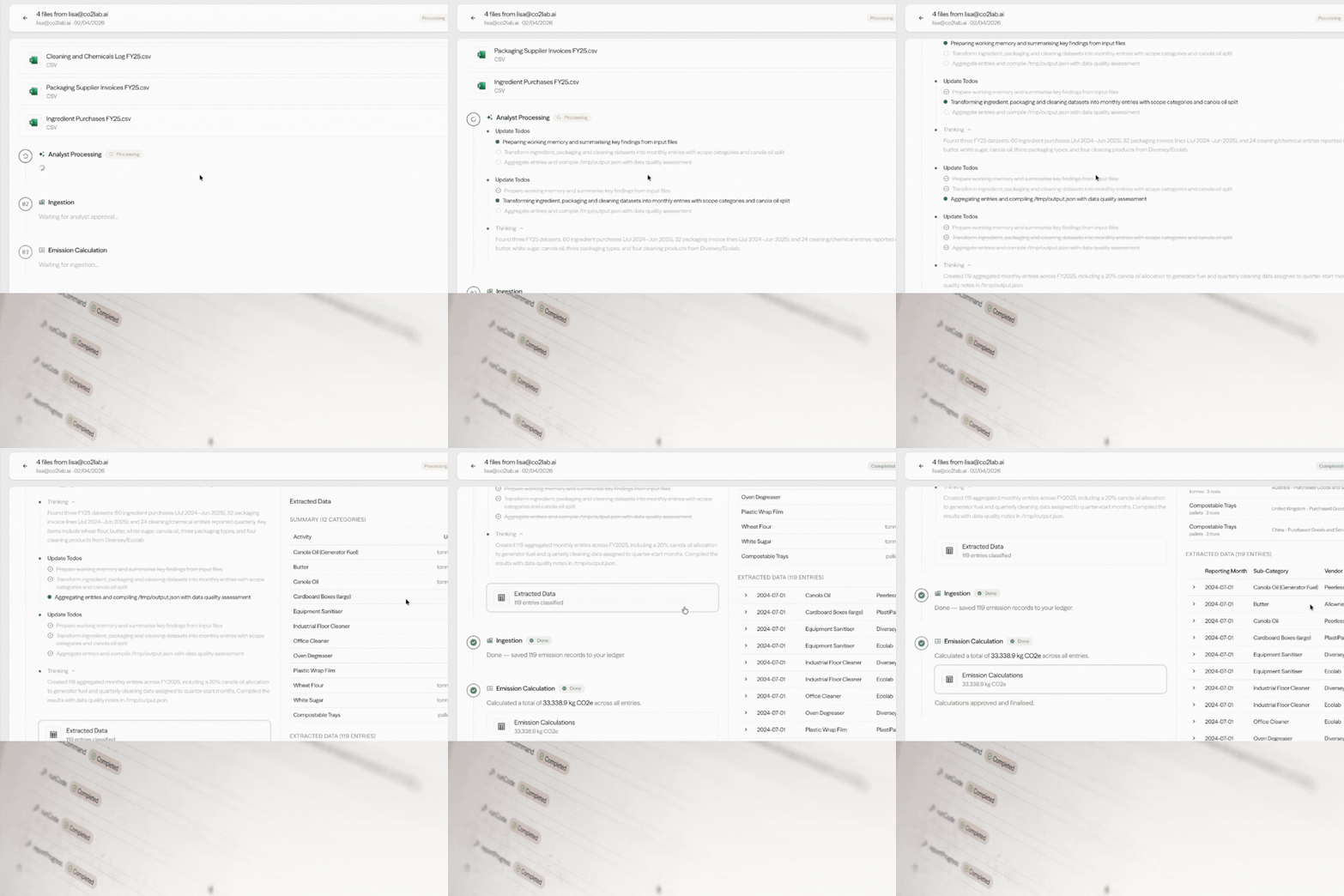
Data represented is sample data from a fictional company.
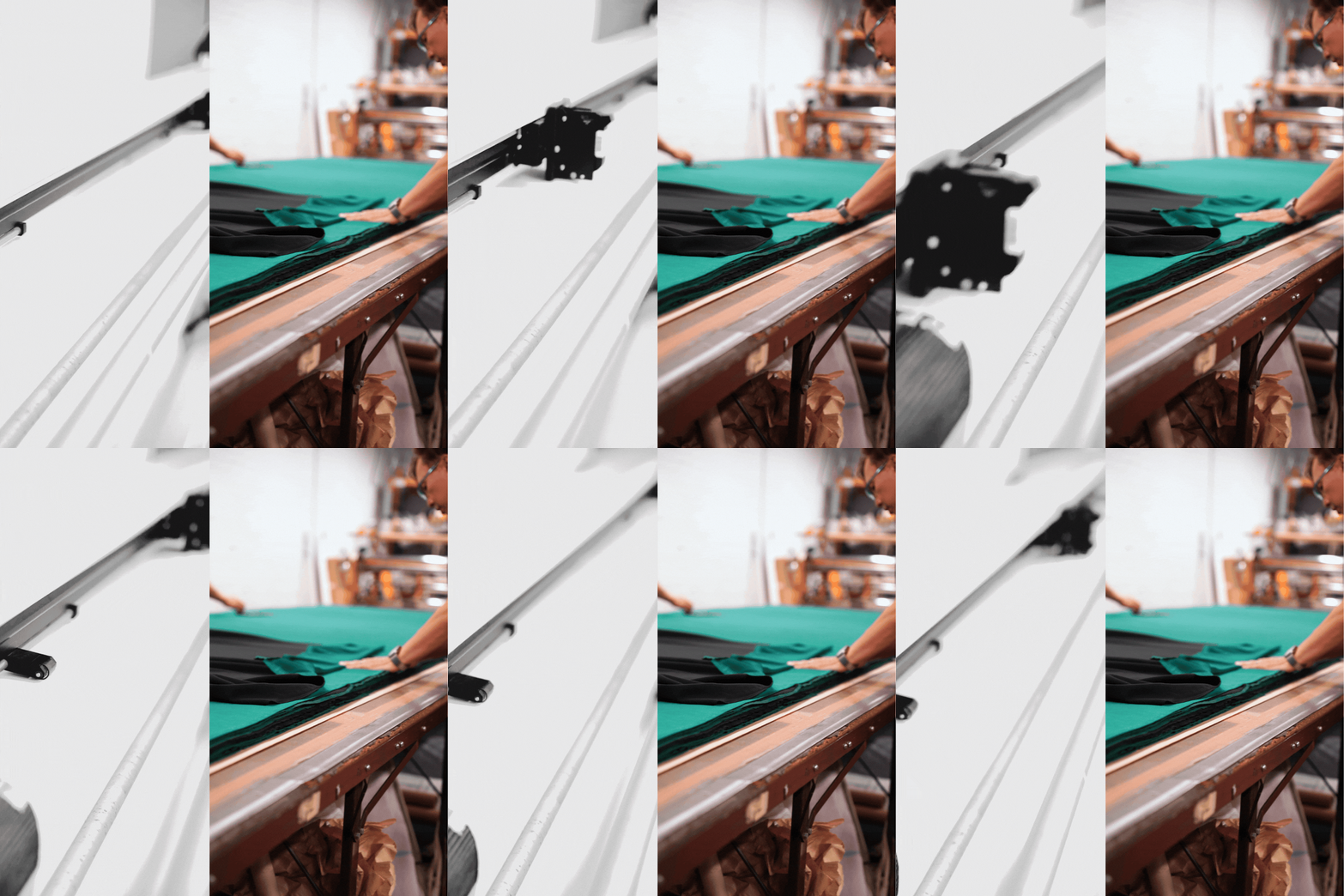
Local, intentional manufacturing and the carbon footprint behind it.
Fashion will always mean producing garments. The difference is producing pieces that are treasured for years, made locally with intention, and backed by the data.
Carla Zampatti focuses on:
- Locally made: shorter supply chains, direct data oversight of every process
- Intentional quantities: respond to demand, not overproducing
- Precision-laid patterns and laser cutting to maximise fabric utilisation
- Full visibility into utilisation rates: waste is visible and tracked at source
- Longevity: timeless high-quality pieces reduce waste and end-of-life
Audit-grade method, across Scope 1, 2 and 3.
The working group focused on expertise and methodology, relating data back to actual operations.
Every figure shows its inputs, method and source.
In-house manufacturing. Full visibility into every fabric.
With manufacturing under one roof, the team has direct access to fabric data (purchases, composition, and utilisation), making it possible to measure the carbon impact of each material.
Our AI Sustainability Analyst worked through purchase orders, built a fabric masterlist, matched it with product composition data, and created specific emissions factors for their unique blends.
The result:
- Measuring exact kilograms of each fabric type
- Matched to a relevant emissions factor
- A tangible story the team could take back to the business
Closing the loop: a Vital Chemical pilot to turn offcuts into biochar.
To calculate fabric offcuts and the associated emissions, the AI Sustainability Analyst processed:
- Marker reports (utilisation & waste % per layer and fabric)
- Manufacturing orders
- Purchase orders
- Fabric Masterlist
- Material composition data
Carla Zampatti has engaged in a pilot with Vital Chemical to support them on their Project ReCarbon, which turns Hi-Vis wear and unwearable/unusable textiles into carbon-rich textile biochar via pyrolysis.
The biochar is blended into hydromulch and applied back to civil construction sites. The carbon is returned to the soil rather than re-entering the atmosphere via landfill or incineration. Local manufacturing gives Carla Zampatti control over closing the loop on their offcuts.
A complete footprint, audit-ready, repeatable next year.
Over five weeks, the working group and our AI Sustainability Analyst delivered a complete footprint, with method, inputs and sources documented for every figure. The data is now usable across Carla Zampatti’s team, Board and operational projects.
Outcomes, week five
- A complete Scope 1, 2 and 3 footprint with audit-grade citations and methodology for every figure.
- A peer benchmark against comparable Australian and international fashion houses.
- A documented method that can be re-run next year without rebuilding from scratch.
- Two final reports: a Basis of Preparation, and an editorial-style report breaking down the operational numbers and carbon footprint for their internal team and Board.

Carbon footprint for fashion manufacturing.
Working alongside the Carla Zampatti team, our AI Sustainability Analyst handled the manual work and carbon accounting expertise. The output is a complete carbon footprint with an audit trail on every row.