Your biggest footprint is the claims you settle
Each claim buys repairs, parts and rebuilds, and that claims supply chain is the largest thing a general insurer buys, far bigger than its own operations. There is no PCAF standard for it yet. The analyst builds it from your claims payments and repairer invoices, and shows the factor behind every line.
You stay the reviewer
A claims footprint you can defend
Claims emissions have no PCAF standard behind them, so an auditor has nothing off-the-shelf to check against. The raw material is already in your claims system: payments, repairer invoices, parts lines. The analyst maps each to a factor, shows the source and reasoning, and flags where a spend-based estimate stands in for measured data.
Emissions line
Motor claim, front-end repair (OEM parts + panel)
Result
0.31 t CO₂e
How the analyst got there
Source
Repairer invoice, $3,400 parts and labour
Emission factor
EEIO, motor vehicle repair: 0.09 kg CO₂e/$ (spend-based)
Reasoning
Claims settlement → Scope 3, Cat 1. Repair chosen over replacement.
Bringing experience with SME to Enterprise







99.95%
Calculation accuracy
Claims-level
Footprint tracking
30 min
Average processing time
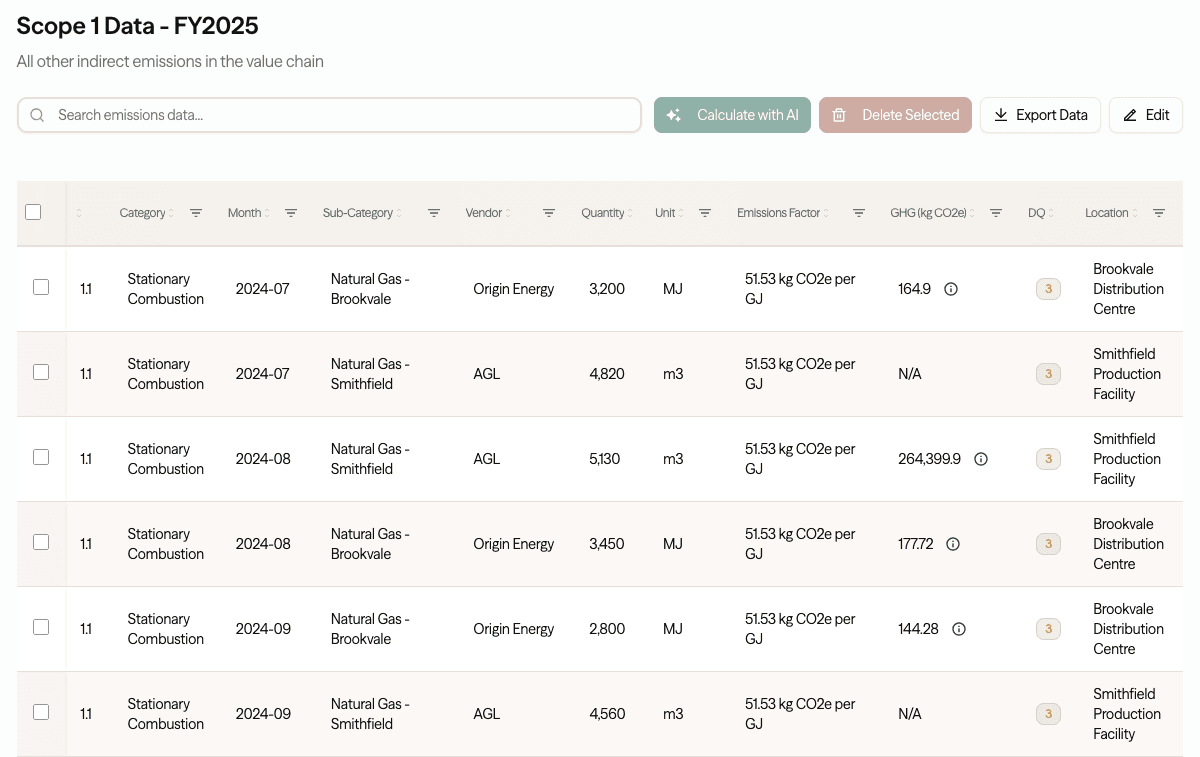
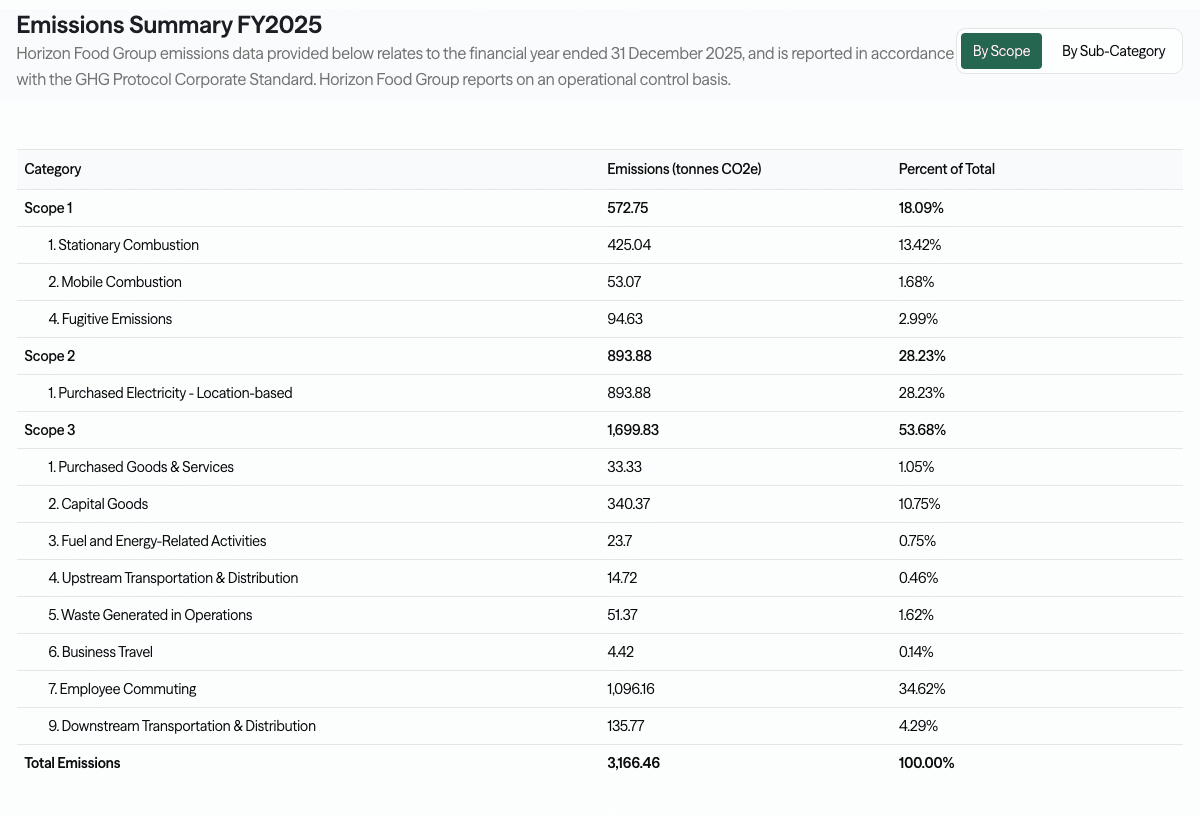
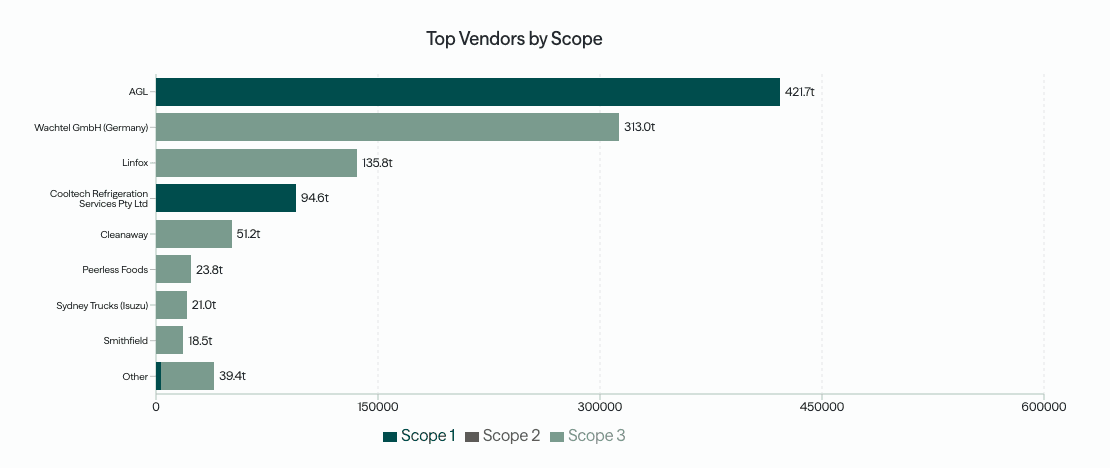 Every number traced to source
See a finished inventory, every number traced to its source
A completed, ASRS-ready example. Every figure linked back to its source document, emissions factor, and reasoning.
Tell us about your team and we'll walk you through this example.
How it works
Drop in your claims payments, repairer and builder invoices and parts data, the analyst calculates the footprint with matched factors, and you report by line of business, by claim type or across the book.
See the full process →Scope 3 · Motor claims
Motor repairs and parts
Panel and paint, parts and total losses make up the bulk of a motor book's claims footprint. The analyst reads repairer invoices line by line, separates OEM, aftermarket, green and salvaged parts, and prices each with the right factor, so repairs and replacements sit side by side in the footprint.
Repairer-invoice lines: parts, panel and paint, labour
OEM, aftermarket, green and salvaged parts
Repair, replace or salvage, tagged per line
Total losses and salvage recovery
Building materials: steel, cement, glass, timber
Reinstatement (rebuild) vs cash settlement
Restoration over replacement where it applies
Contents replacement
Scope 3 · Property claims
Rebuilds and materials
For home and property, the carbon is in the rebuild, and steel, cement and glass drive it. The analyst reads builder scopes and invoices, applies a material factor where a line resolves to a material and a spend-based factor where it does not, and keeps reinstatement and cash-settled claims clearly apart.
The lever
Repair over replace, measured
Repair-first is your strongest lever, and the invoice already records whether a part was repaired, replaced or salvaged. The analyst tags each line and measures the footprint of each, so a sustainable-claims target becomes a number the claims team can act on and report against.
Repairs, replacements and salvage, measured side by side
Green and certified-used parts tracked
Salvage and circularity captured
Progress reported against your claims target
Frequently asked questions
The claims footprint, measured and defensible
A free 30-minute chat, no obligation, on where you stand ahead of your first ASRS report.
Book a Sustainability Check-upWhere to go next
Financed emissions & PCAF
The other side of insurance emissions: the investment and underwriting book.
MethodologySpend vs activity-based
Which method to use where, and why it changes your claims footprint.
TrustHow accurate is AI carbon accounting?
What sits behind the numbers, and how you keep control of them.
ComplianceASRS by group
Your reporting group, start date and disclosure requirements.