The footprint is in the fabric
Every style is a mix of fabrics, trims and finishes, and each one carries a different factor. Getting that right, fabric by fabric, is data work before it is reporting work. The analyst does that work from your marker reports and supplier invoices, and shows the factor behind every line.
You stay the reviewer
See the working on every line
The analyst measures the exact kilograms of each fabric type, reads marker utilisation and cutting waste, and matches a factor to every line, with its source and reasoning shown. You see why merino carries the factor it does, and can present the working with a full audit trail.
Emissions line
Merino wool, AW25 outerwear, 1,240 kg
Result
49.6 t CO₂e
How the analyst got there
Source
Marker report + supplier invoice, 1,240 kg greasy wool
Emission factor
Higg MSI, wool fibre: 40.0 kg CO₂e/kg
Reasoning
Purchased raw material → Scope 3, Cat 1. Activity-based: measured kg.
Bringing experience with SME to Enterprise







99.95%
Calculation accuracy
Fabric-level
Material tracking
30 min
Average processing time
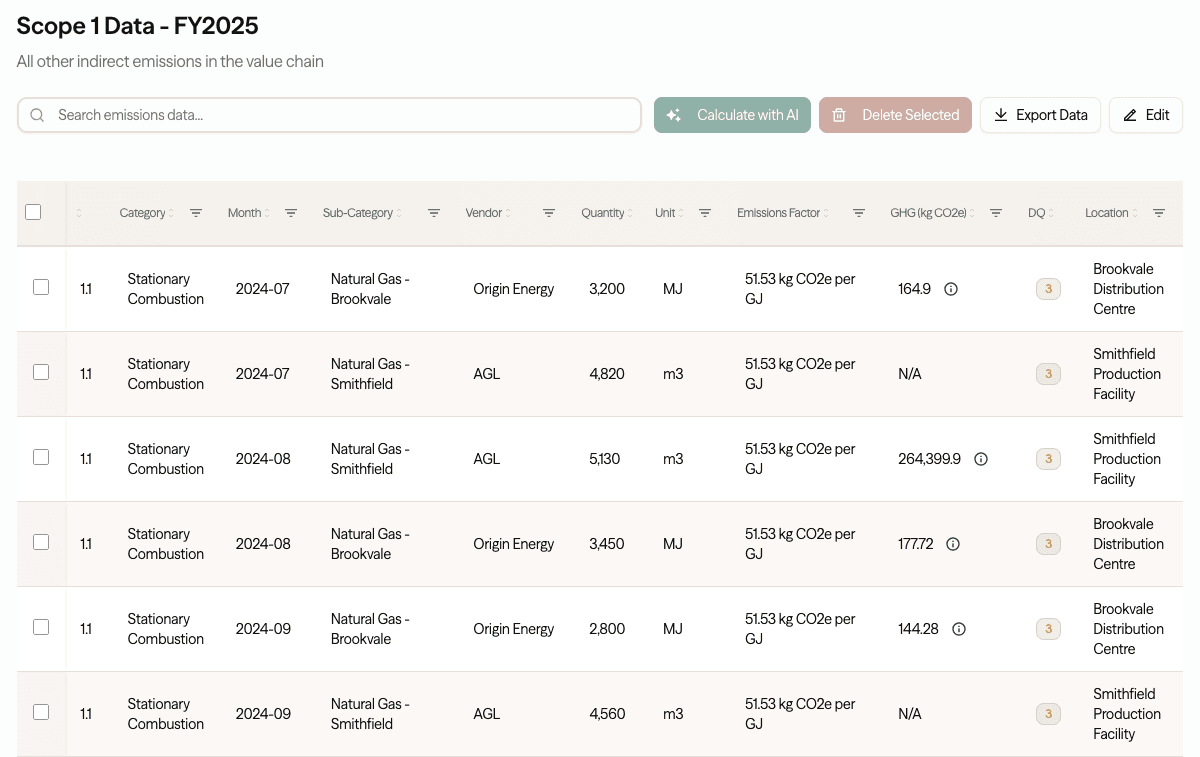
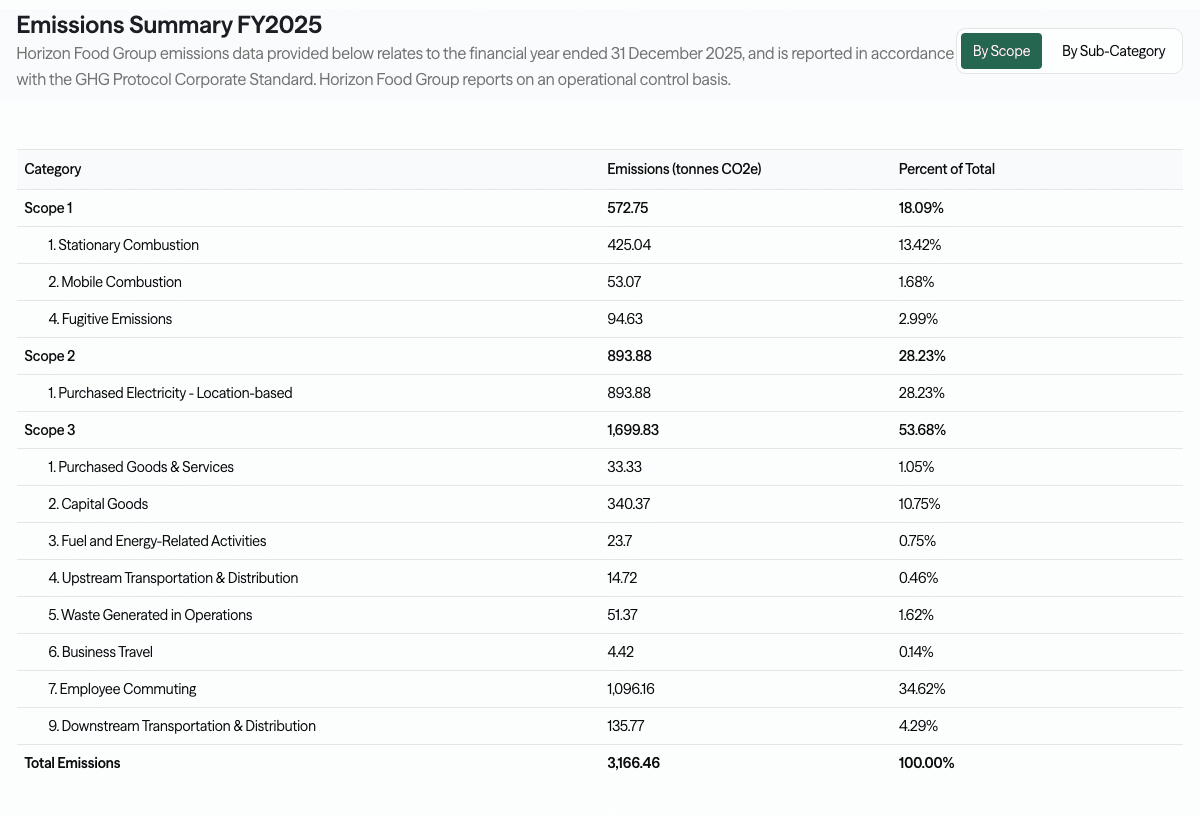
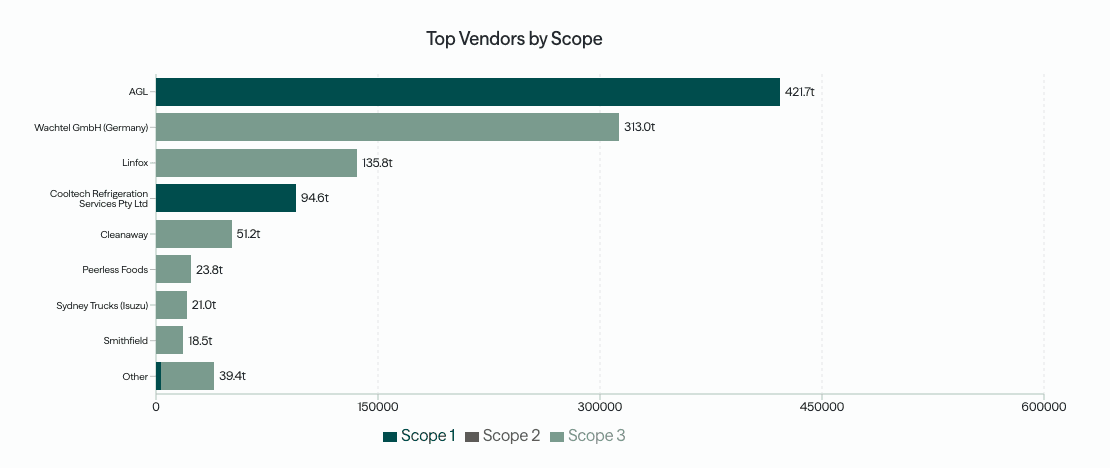 Every number traced to source
See a finished inventory, every number traced to its source
A completed, ASRS-ready example. Every figure linked back to its source document, emissions factor, and reasoning.
Tell us about your team and we'll walk you through this example.
How it works
Drop in tech packs, marker reports, freight docs and store utility bills, the analyst calculates each scope with matched factors, and you report per collection, per season or consolidated across the label.
See the full process →Scope 3 · Materials
Fabric & materials
Cotton, wool, polyester, viscose, leather and trims carry very different factors. CO2 Lab measures the kilograms of each fabric type from your marker and cut plans, and calculates the embodied emissions with a factor specific to each material. The heaviest emissions usually sit upstream at the mills, in wet processing, not in the factory that cuts and sews.
Fabric mass per garment from the marker
Fibre-level factors (Higg MSI): cotton, wool, synthetics, leather
Wet processing: dyeing, printing and finishing
Cutting-room waste and marker utilisation
Inbound sea and air freight from suppliers
Domestic distribution to stores and 3PLs
Direct-to-consumer parcel shipping
Mode-specific factors, not spend averages
Scope 3 · Logistics
Freight & distribution
Offshore production means freight matters. The analyst reads your shipping documents and applies mode-specific factors for sea, air and road, so an air-freighted reorder shows its real cost against the same shipment by sea.
Scope 1 & 2 · Retail
Stores & head office
Boutique lighting, HVAC and head-office energy are your owned footprint. CO2 Lab extracts consumption from utility bills per site and calculates location-based and market-based Scope 2 side by side, so a GreenPower claim keeps its evidence attached to the figure.
Electricity per boutique and warehouse
Gas and refrigerants across sites
Location- and market-based Scope 2
GreenPower and PPA claims with evidence attached
Fashion in practice
How an Australian fashion house built its footprint
Measuring exact kilograms of each fabric type, reading marker reports for utilisation and waste, and presenting the working for review with a full audit trail, and a tangible story the team could take back to the business.
Read the Carla Zampatti story →Frequently asked questions
Every fabric, every scope, one footprint
A free 30-minute chat, no obligation, on where you stand ahead of your first ASRS report.
Book a Sustainability Check-upWhere to go next
Carla Zampatti
A fashion house builds its footprint down to the fabric, with the working shown.
CompareConsultant vs software
Why a reviewable tool beats a report you can only take on faith.
IndustryRetail
Thousands of SKU spend lines into a defensible Scope 3.
ComplianceASRS by group
Your reporting group, start date and disclosure requirements.