Replace spend-based estimates with real supplier data
Most companies estimate Scope 3 from supplier spend. The larger reporters are moving to real data from the suppliers themselves, and CO2 Lab collects it for you.
Bringing experience with SME to Enterprise








Why it matters now
Spend-based estimates are the hardest part of Scope 3 to defend
A spend-based estimate sits at the bottom of the GHG Protocol data-quality ladder, because it follows the dollars you spent rather than the emissions behind them. Two suppliers with the same output can land very differently on your ledger simply because one of them charges more. That tends to be the part of a footprint an assurer looks at first, and it is hard to defend when your name is on the report. Collecting data from the suppliers themselves is how companies move off it, and the larger reporters are already doing that.
Your assurer will question it
Because spend-based lines follow dollars rather than activity, they are usually where limited assurance starts asking questions. Data from the supplier itself gives you a figure with a traceable basis behind it.
Your targets increasingly require it
Supplier engagement is increasingly written into target frameworks, and the general expectation for reporting keeps rising. Industry-average estimates are unlikely to carry your Scope 3 on their own for much longer.
The data you need sits with suppliers who are already stretched
What you need
Primary data from your highest-emitting suppliers, kept current as they report, with the method shown behind each figure so your number holds up under assurance.
What suppliers face
The same request from every customer, in a different format each time, often without the tools or a carbon team to answer it. More than 47,000 suppliers have been asked to disclose through CDP, the global environmental disclosure system, and nearly 40% of small businesses say a lack of data on their own emissions is holding back their climate action.
How it works
Supplier engagement, two ways
Supplier engagement is normally a programme you staff and run, with questionnaires to send out and suppliers to follow up for months afterwards. CO2 Lab does that work for you instead. You can use either of the approaches below, or both together, and the data gets more accurate as more of it comes in.
We research your suppliers
The analyst reads your suppliers’ published sustainability and annual reports and pulls out their reported Scope 1, 2 and 3 figures, then turns those into supplier-specific emission factors for the goods and services you buy from them. When a supplier publishes a new report the factors are updated, and nothing is ever sent to the supplier to make that happen.
A line that previously relied on a spend-based estimate now carries a figure backed by the supplier’s own disclosure.
We give your suppliers an analyst
When a supplier has nothing to give you, we provide them a temporary AI Sustainability Analyst that works from the documents they already keep, such as invoices and energy bills, and produces aggregated Scope 1, 2 and 3 data you can bring straight into your footprint.
They do not need a carbon team or a portal to learn, which is usually what stops a smaller supplier from responding at all.
You stay the reviewer
See how each supplier-specific factor was built
When the analyst replaces a spend-based estimate with a supplier’s own data, it records the report it read, the factor it derived from that report, and the reasoning for applying it to the line. You can check the basis of each figure before it goes into your footprint, and approve it yourself.
Emissions line
Steel supplier, Q2 purchases
Result
4,830 t CO₂e
How the analyst got there
Source
Supplier FY24 sustainability report, 2,100 t supplied
Emission factor
Supplier-specific, hot-rolled steel: 2.3 t CO₂e/t
Reasoning
Supplier published Scope 1–3 actuals → supplier-specific factor replaces the spend-based EEIO estimate. Scope 3, Category 1.
Supplier engagement moves you up the data-quality ladder
The GHG Protocol ranks Scope 3 methods by how close they sit to real activity. Each supplier you engage moves that slice of your footprint up from the bottom of the ladder towards the top, as and when better data for them becomes available.
- Spend-basedDollars spent times an industry average. Where most footprints start.
- Average-dataPhysical quantity times an industry-average factor.
- HybridSupplier activity data, with secondary data filling the gaps.
- Supplier-specificThe supplier's own reported data, the method assurers trust most.
 Every number traced to source
See a finished inventory, every number traced to its source
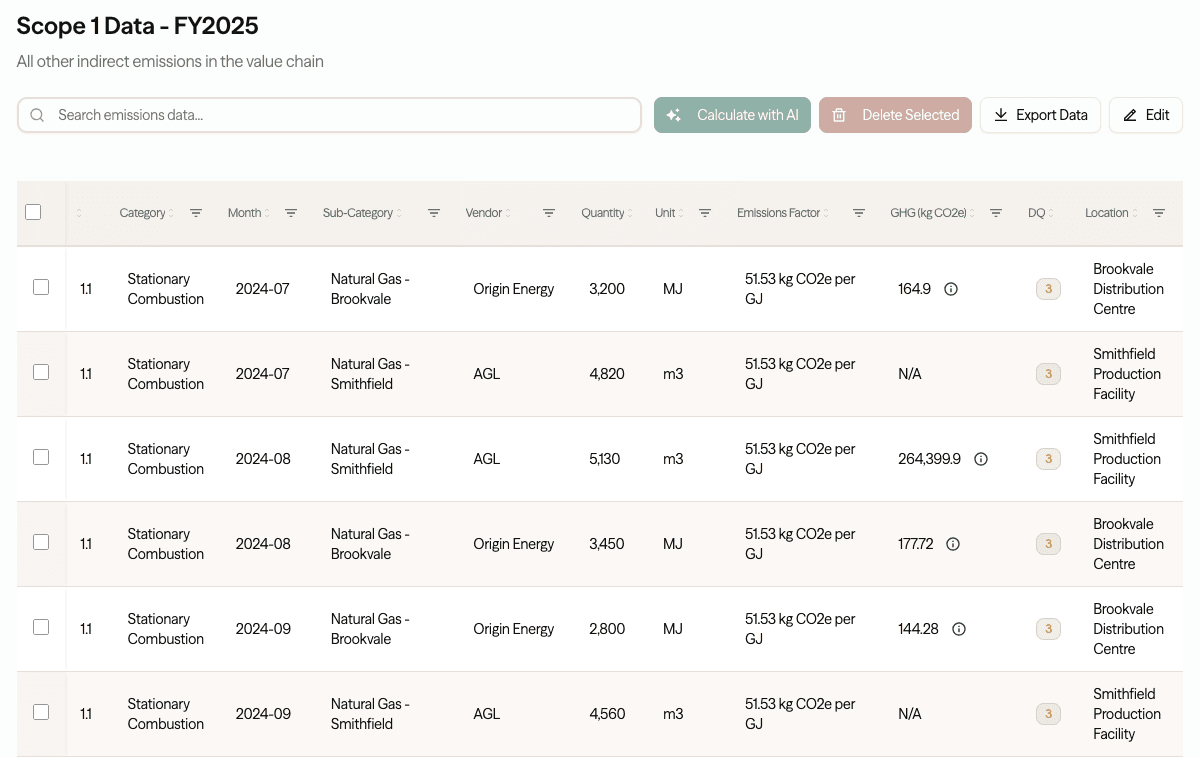
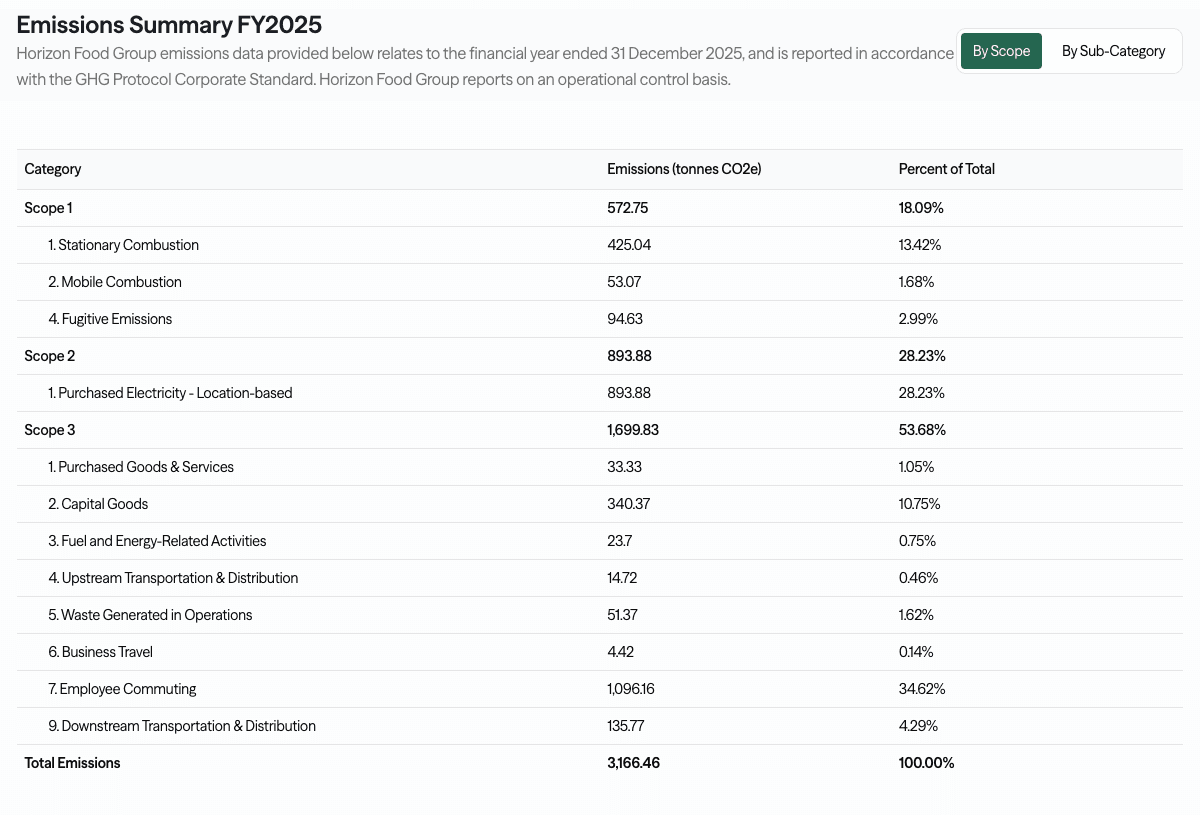
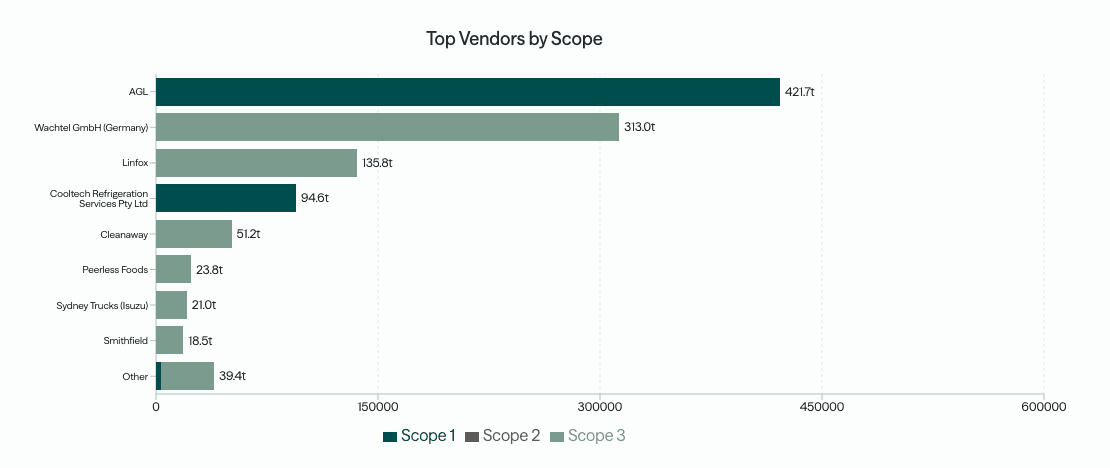
A completed, ASRS-ready example. Every figure linked back to its source document, emissions factor, and reasoning.
Tell us about your team and we'll walk you through this example.
Frequently asked questions
Start with your highest-emitting suppliers
A free 30-minute chat, no obligation, on how to move your Scope 3 off spend-based estimates.
Book a Sustainability Check-upWhere to go next
Supplier-specific emission factors
How a supplier’s own data becomes a factor you can report.
MethodologyWhy spend-based factors drift
How price and inflation distort a spend-based Scope 3 number.
For youProcurement teams
Rank suppliers by impact and know which to engage first.
ProductHow it works
From forwarded documents to a traceable footprint.