The diesel in your trucks, and the methane in your landfill
A waste operator's footprint is split between the diesel its trucks burn and the methane that landfill keeps giving off long after the waste is tipped. The diesel is metered straight off a fuel card, while the landfill gas has to be modelled on the NGER method over years of slow decay. The analyst builds both from records you already hold, and labels clearly which number is measured and which is estimated.
You stay the reviewer
Fuel-card data in, a defensible per-site number out
Those inputs live in different places: fuel-card exports for the fleet, weighbridge tonnages at the gate, and the landfill gas capture logs. The analyst reconciles the litres to each vehicle, models the methane on the NGER landfill method, and hands you a per-site footprint you can trace back to each of them before an assurer does.
Emissions line
Diesel, kerbside collection fleet, March
Result
11.3 t CO₂e
How the analyst got there
Source
Fuel-card export, 4,200 L diesel
Emission factor
NGA 2025, diesel: 2.68 kg CO₂e/L (Scope 1 combustion)
Reasoning
Own collection fleet → Scope 1. Activity-based: metered litres.
Bringing experience with SME to Enterprise








99.95%
Calculation accuracy
Per-site
Emissions tracking
30 min
Average processing time
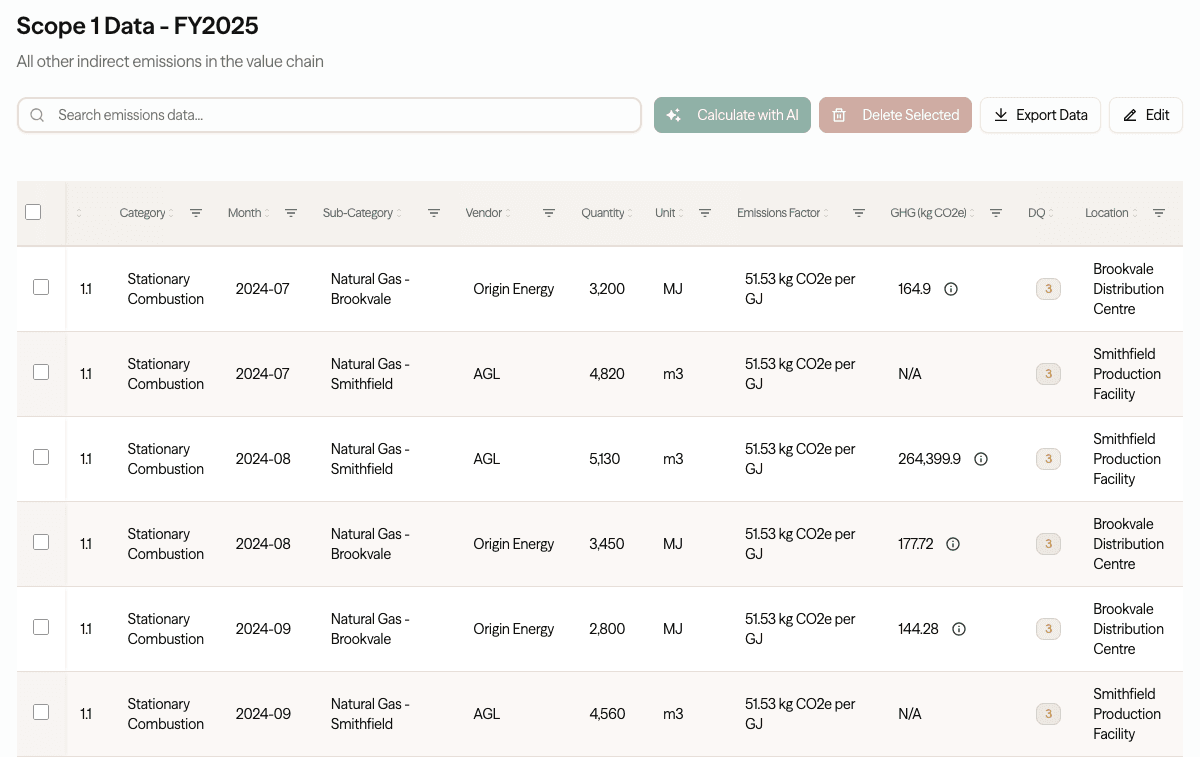
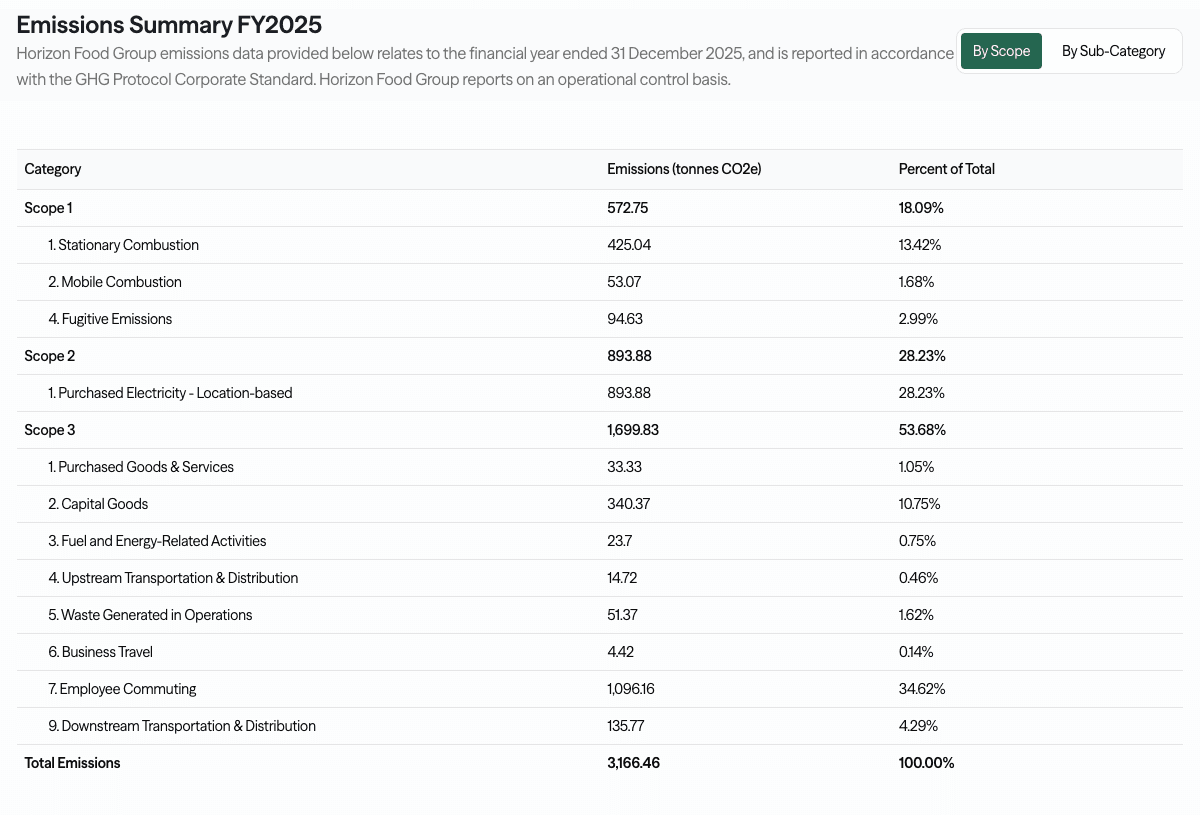
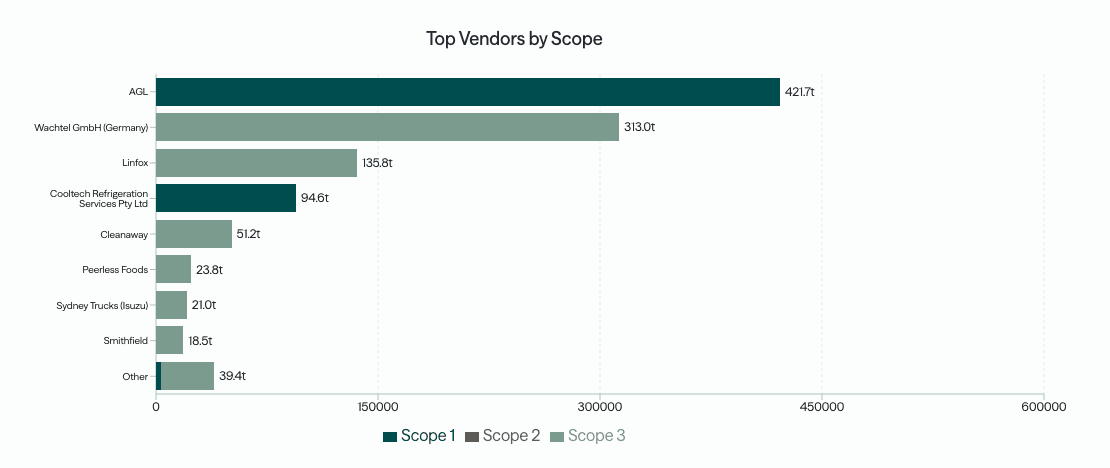 Every number traced to source
See a finished inventory, every number traced to its source
A completed, ASRS-ready example. Every figure linked back to its source document, emissions factor, and reasoning.
Tell us about your team and we'll walk you through this example.
How it works
Drop in fuel-card exports, weighbridge tonnages and landfill gas records, the analyst calculates each scope with matched factors, and you report per site, per contract or consolidated across the network.
See the full process →Scope 1 · Collection fleet
Fleet fuel
Collection, transfer and roll-on roll-off runs burn a lot of diesel. CO2 Lab reads fuel-card and telematics data per vehicle, applies the current NGA factor for each fuel, and reports emissions on a well-to-wheel basis rather than tailpipe only.
Litres per vehicle from fuel cards and telematics
Diesel, biodiesel blends and renewable diesel (HVO)
Well-to-wheel, not tailpipe only
Emissions per tonne collected by route
Putrescible tonnages from the weighbridge
NGER landfill gas method, first-order decay
Methane GWP 28 (NGER, AR5 basis)
Gas captured and flared netted off, and labelled
Scope 1 · Landfill gas
Landfill methane
Waste tipped this year keeps emitting methane for years. That is modelled, not metered, so CO2 Lab applies the NGER landfill gas method to your weighbridge tonnages, converts methane at a GWP of 28, nets off what you capture and flare, and flags the whole line as modelled rather than measured.
Scope 3
Transfer and processing
Material you haul to a third-party transfer station, MRF or energy-from-waste plant leaves your direct control but stays in your Scope 3. CO2 Lab takes the tonnages and distances you have and applies matched factors, so the number is disclosable without pretending it is measured.
Haulage to transfer and processing sites
Third-party MRF and EfW throughput
Recyclate transport to reprocessors
Primary and default data clearly labelled
Frequently asked questions
Put a defensible number on your waste operation
A free 30-minute chat, no obligation, on where you stand ahead of your first ASRS report.
Book a Sustainability Check-upWhere to go next
Logistics
Fleet fuel and subcontracted freight, the factor shown per line.
MethodologySpend vs activity-based
Which method to use where, and why it changes your Scope 3.
MethodologySupplier engagement
Replace default factors with real data from the firms you rely on.
ComplianceASRS by group
Your reporting group, start date and disclosure requirements.