In a hospital, the anaesthetic gases matter as much as the energy
The biggest surprise in a hospital's own inventory is usually the anaesthetic gases: desflurane alone is over 2,500 times stronger than carbon dioxide, and most of it is breathed straight back out and vented. Add the round-the-clock energy and a vast range of single-use supplies, and the footprint spans three very different systems. The analyst pulls them into one number you can review.
You stay the reviewer
Pharmacy and utility data in, a defensible number out
The inputs are scattered across systems: energy invoices, pharmacy records for the volatile anaesthetics, and procurement spend over thousands of lines. The analyst matches each to the right factor, including the high global warming potentials of the gases, and produces a footprint you can check before it is reported.
Emissions line
Desflurane, theatre suite, year
Result
50.8 t CO₂e
How the analyst got there
Source
Pharmacy dispensing records, 20 kg
Emission factor
Desflurane GWP 2,540 (IPCC AR5, 100-year)
Reasoning
Vented to atmosphere → Scope 1. Activity-based: dispensed mass.
Bringing experience with SME to Enterprise








99.95%
Calculation accuracy
Per-site
Emissions tracking
30 min
Average processing time
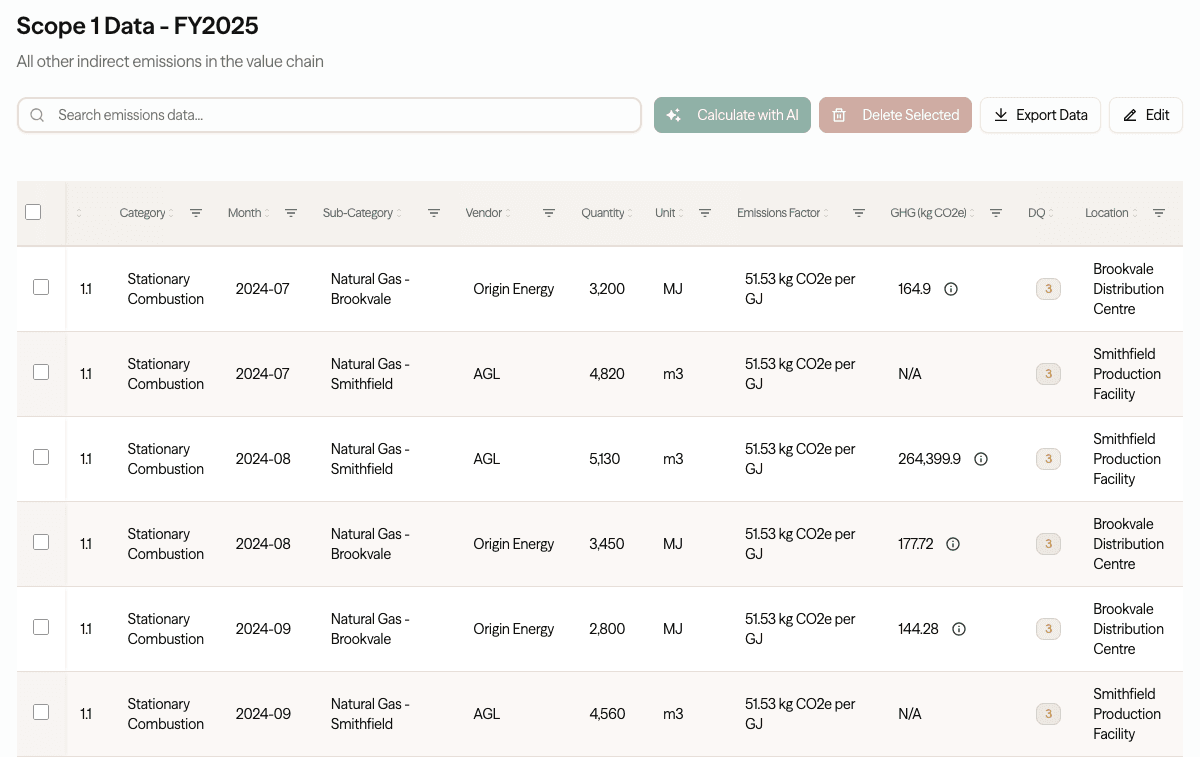
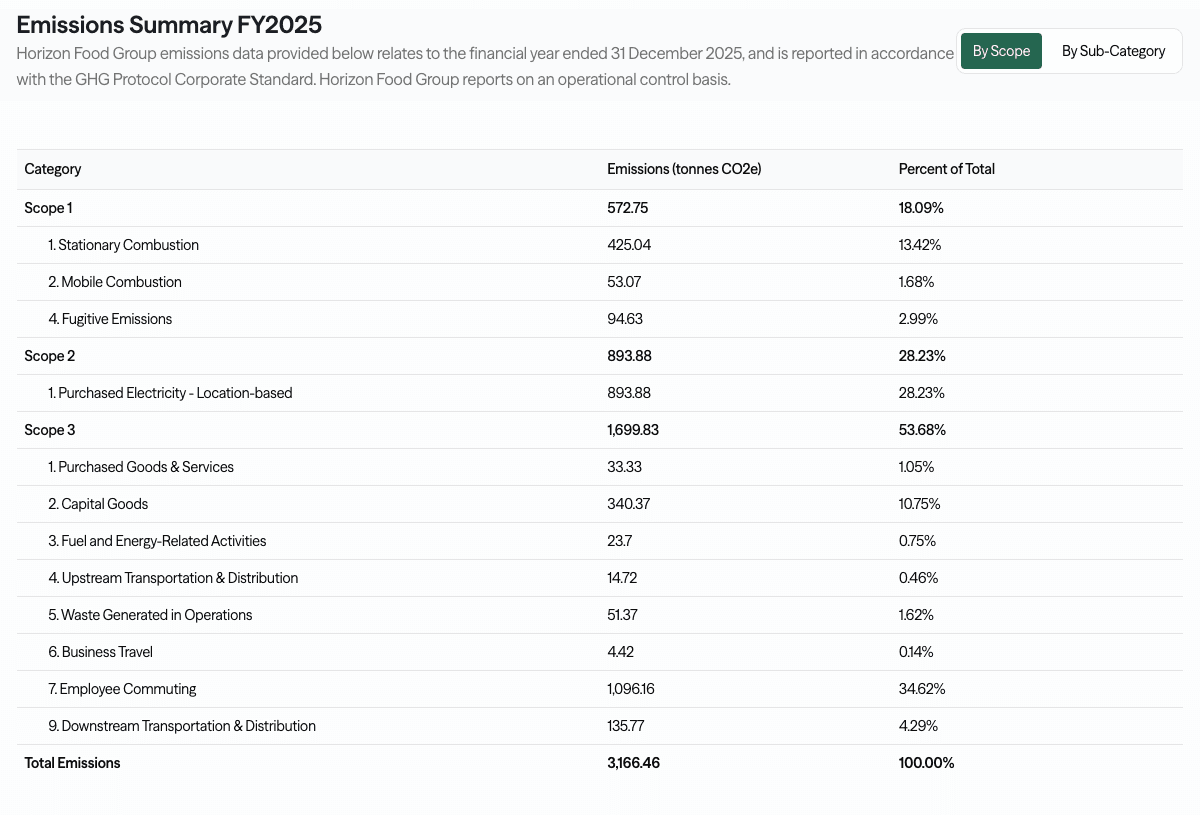
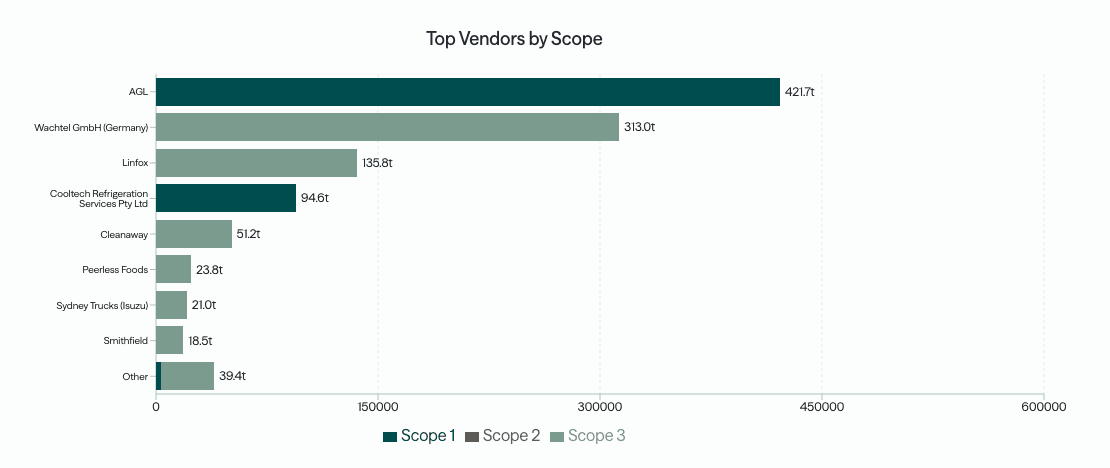 Every number traced to source
See a finished inventory, every number traced to its source
A completed, ASRS-ready example. Every figure linked back to its source document, emissions factor, and reasoning.
Tell us about your team and we'll walk you through this example.
How it works
Drop in energy invoices, pharmacy records and procurement spend, the analyst calculates each scope with matched factors, and you report per site, per service or consolidated across the network.
See the full process →Scope 1 · Clinical
Anaesthetic gases
Volatile anaesthetics are vented largely unchanged, and desflurane is more than 2,500 times stronger than carbon dioxide. CO2 Lab takes dispensed mass off pharmacy records, applies the right global warming potential per agent, and makes a line most inventories miss entirely visible.
Desflurane, sevoflurane and isoflurane
Nitrous oxide, including manifold losses
Dispensed mass from pharmacy records
Per-agent global warming potential applied
Natural gas for heating and sterilisation
Grid electricity by state NGA factor
Backup generator diesel
Medical refrigerant top-ups as fugitive Scope 1
Scope 1 & 2 · Facilities
Round-the-clock energy
Theatres, wards and sterilisation run continuously. CO2 Lab reads gas, electricity and generator diesel per site, applies the current NGA factors, and reports location-based and market-based electricity side by side.
Scope 3 · Category 1
Medical supply chain
Single-use consumables, pharmaceuticals and devices are the largest part of a health service footprint and the hardest to source. CO2 Lab starts from procurement spend with spend-based factors, swaps in supplier data as it arrives, and labels every line so you can see what is estimated.
Procurement spend by category
Spend-based estimate to start, labelled
Supplier-specific factors where available
Reconciled so nothing is counted twice
Frequently asked questions
Account for every source, including the gases
A free 30-minute chat, no obligation, on where you stand ahead of your first ASRS report.
Book a Sustainability Check-upWhere to go next
Property
Building energy and embodied carbon, the factor shown per line.
MethodologySupplier engagement
Replace spend estimates with real supplier data.
MethodologySpend vs activity-based
Which method to use where, and why it changes your Scope 3.
ComplianceASRS by group
Your reporting group, start date and disclosure requirements.